
0
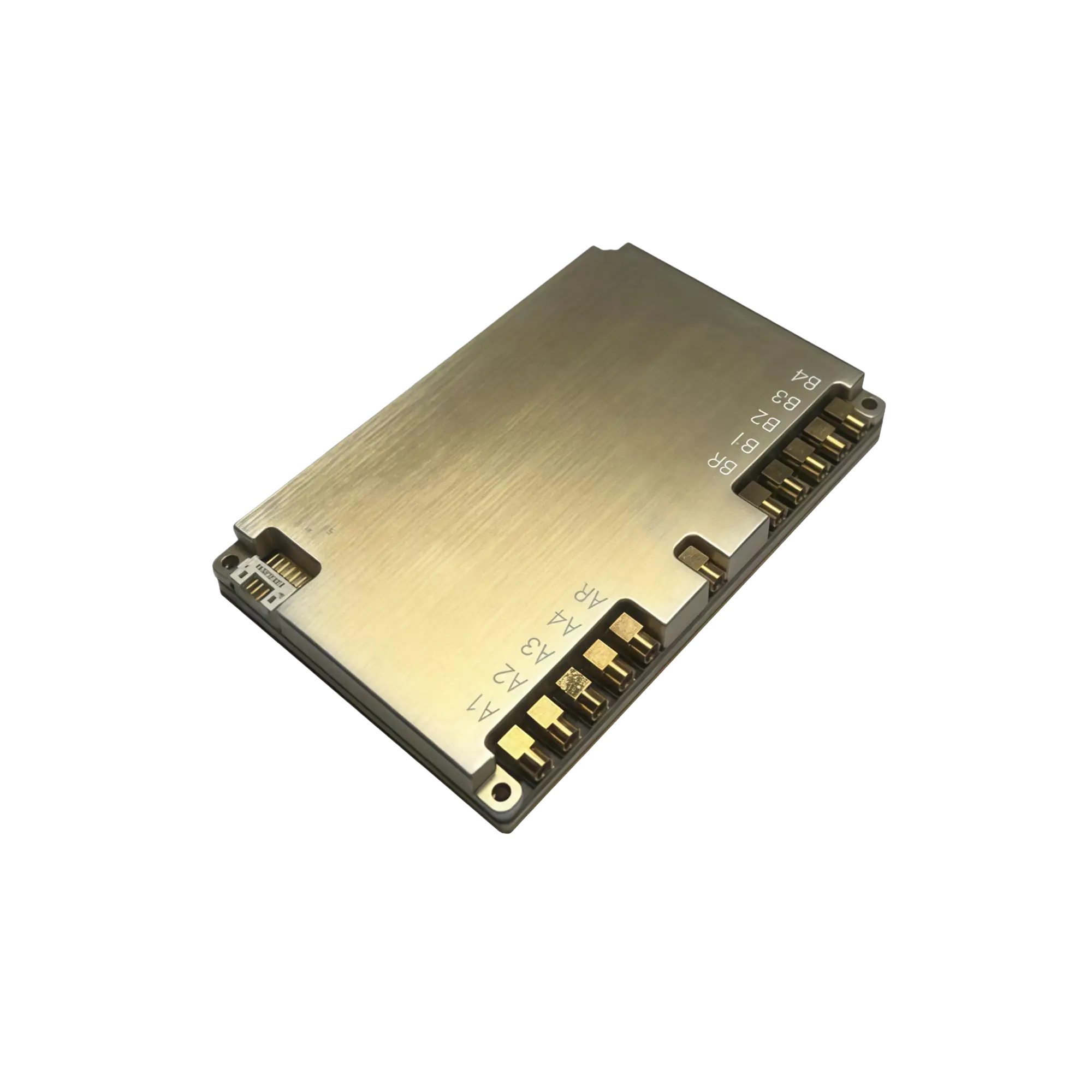
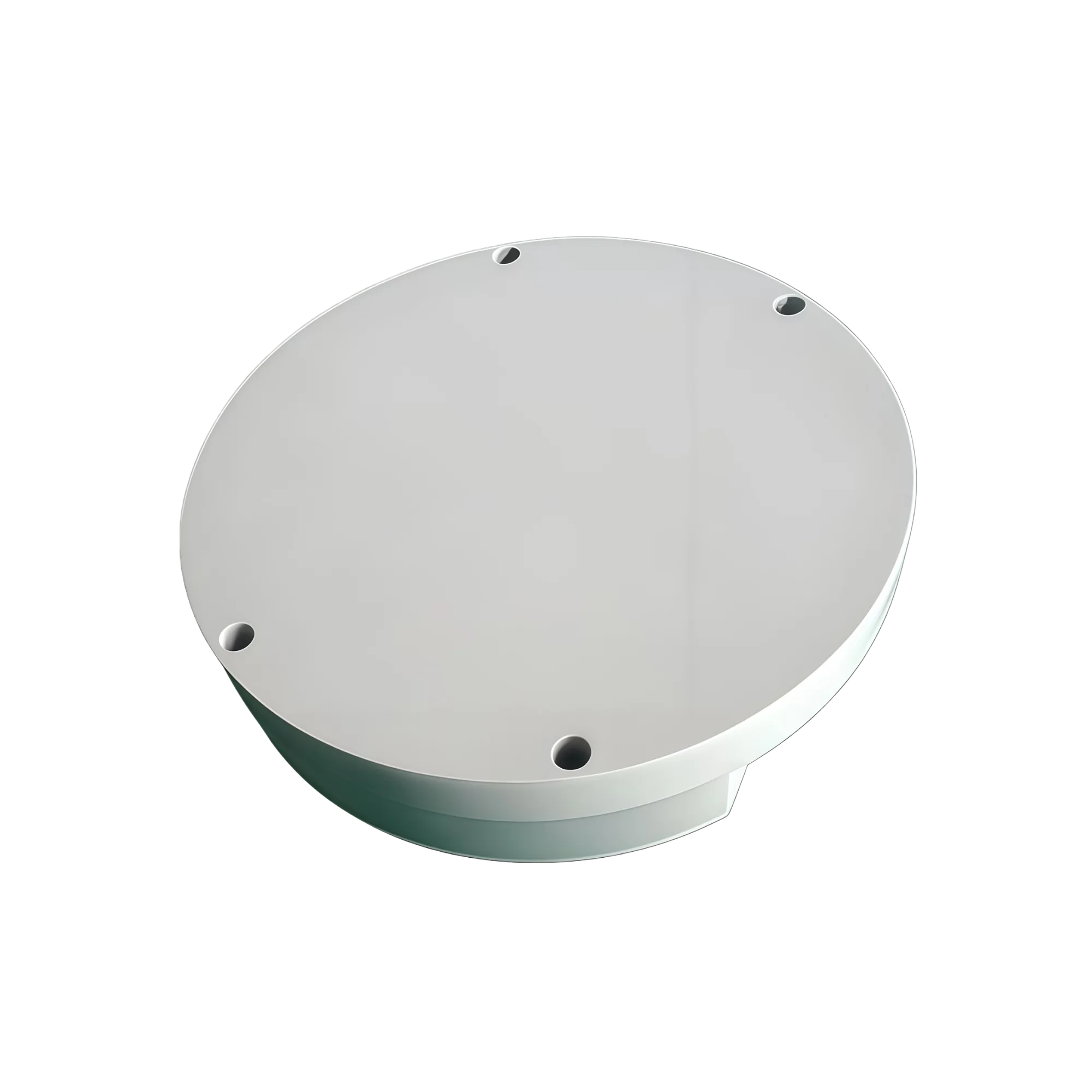
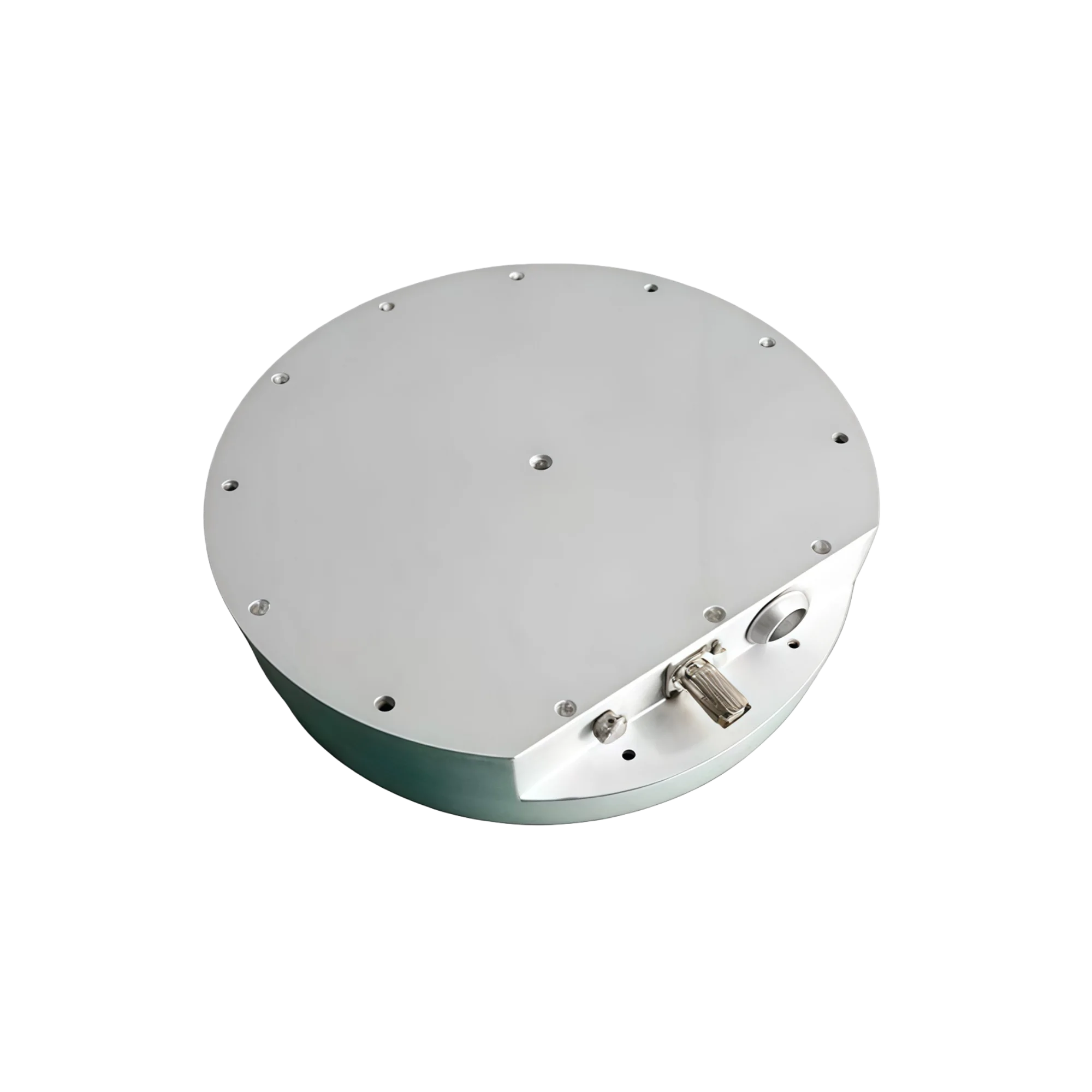
NTDFM Dual-Frequency GNSS Intelligent Array Antenna
The NTDFM is an 11-element Dual-Frequency GNSS Intelligent Array Antenna engineered to ensure continuous positioning locks under complex radio frequency disruption environments. Combining multi-band protection with automatic signal bypass hardware and an internal high-precision engine, it secures real-time spatial mitigation across industrial maritime and vehicular transport frameworks.
- Array Topology: 11-element configuration with 3 high-precision central elements and dual 4-element peripheral arrays.
- Bypass Mechanics: Automatic bypass mode execution to maintain signal tracking when clear RF spectrum is verified.
- Mitigation Thresholds: Attains single-source attenuation ≥110dB and three concurrent directional threat controls ≥95dB.
- Engine Core: Integrated high-precision UM980 receiver core supporting standardized direct NMEA0183 standard telemetry.
NTDFM Dual-Frequency GNSS Intelligent Array Antenna Overview
The NTDFM is an anti-jamming antenna designed for shipborne, vehicle-mounted and other application scenarios. It achieves anti-jamming processing for interference forms including broadband, narrowband, frequency-sweeping, pulse, and combined jamming at GPS-L1/BDS-B1 and GPS-L2/L5/BDS-B3 frequency points. This product integrates an 11-element antenna array, which includes 3 high-precision central elements that provide high-precision navigation signals in the absence of external interference. Two sets of 4-element peripheral arrays deliver two channels of navigation signals after anti-jamming processing when interference is present. An optional satellite navigation receiver can be integrated with the antenna as one unit. Adopting a low-cost, miniaturized, and lightweight design, it is suitable for precise navigation needs in complex electromagnetic environments.
NTDFM GNSS Intelligent Array Antenna Primary Capabilities
- 11-Element Array Distribution: Deploys 3 localized central high-precision array elements alongside dual 4-element peripheral structures to isolate signal channels during disruption incidents.
- Automatic Bypass Communication: Transitions autonomously into a non-attenuated bypass routing configuration when clear ambient RF spectrum conditions are verified by internal sensor hardware.
- Multi-band concurrent anti-jamming processing: Executes simultaneous mitigation processing targeting specific vulnerabilities across GPS-L1, GPS-L2, GPS-L5, BDS-B1, BDS-B2, and BDS-B3 frequency links.
- High-Damping Nulling Thresholds: Attains attenuation depths of single threat vectors ≥110dB and locks spatial null constraints against 3 distinct threat direction sets per band at ≥95dB.
- Suppressive Jamming Countermeasures: Mitigates complex composite ambient vulnerabilities such as continuous broadband emissions, narrowband carrier spikes, rapid frequency sweeping, and transient pulse patterns.
- Integrated Receiver Architecture: Pairs the physical sensor structure directly with an internal UM980 receiver chip to deliver standalone positioning updates.
NTDFM GNSS Intelligent Array Antenna Technical Data Matrix
| Engineering Parameter | Technical Specification Value |
|---|---|
| Operational Spectrum Reception | L1/L2/L5, B1/B2/B3, E1/E5/E6, G1/G2/G3 |
| Anti-Jamming Target Band 1 | GPS-L1 and BDS-B1 |
| Anti-Jamming Target Band 2 | GPS-L2, L5 or BDS-B3 |
| Concurrent Mitigation Count | Maximum simultaneous capacity: 3 interferences from different directions for each dual frequency band |
| Anti-Jamming Capability Depth | Single interference ≥110dB, Three interferences ≥95dB |
| Integrated Receiver Engine | UM980 (Custom alternatives available upon engineering request) |
| Hardware Data Interface | RS422, default baud rate 115200 |
| Data Output Protocol | NMEA0183 Compliance Standard |
| Operational Voltage Input | 9 to 32Vdc |
| Rated Power Consumption | 18W |
| Total Hardware Weight | 1200g |
| Device Dimensions Profile | Φ190mm, thickness 40mm Physical Enclosure |
| Operating Temperature Boundaries | -40°C to +70°C |
NTDFM Compact Enclosure Dimensions & Mechanical Layout
The external housing layout of the terminal features a circular geometrical footprint with a diameter boundary of Φ190mm and a total vertical chassis thickness envelope of 40mm. Built with a total physical weight mass of 1200g, the sealed structural enclosure is designed to survive rigorous environmental impacts on commercial vehicle frames and maritime platform superstructures. Rigid technical integration is supported through standard 5/8″-11UNC mechanical base threading and a dual interface port configuration accommodating both TNC power feed and rugged EGG connector inputs.
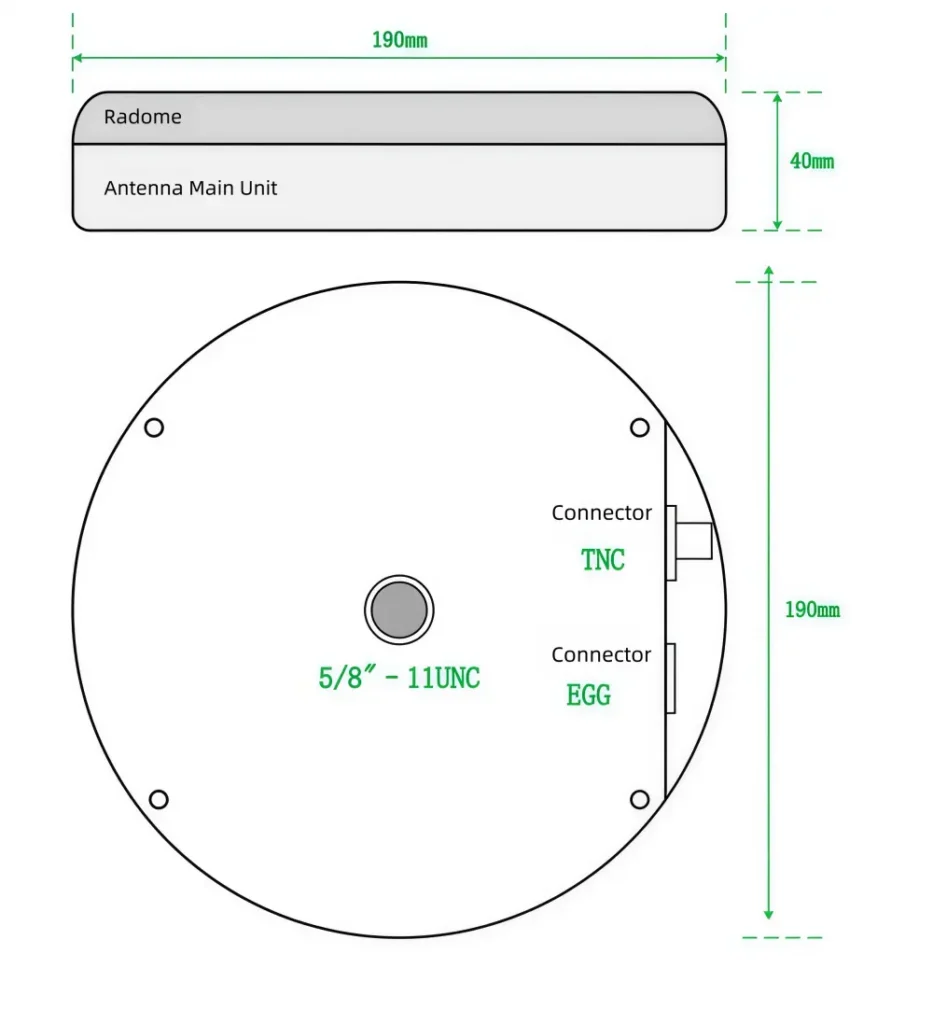
Figure 1: Symmetrical structural outline detailing the Φ190mm outer housing frame, 40mm radome thickness profile, central 5/8″-11UNC thread standard, and side-mounted TNC and EGG electrical connector housings.
NTDFM EGG.1K.314.CLL Interface Blueprint & Pinout assignments
| Pin Number | Signal Designation | Input / Output Type | Functional Description |
|---|---|---|---|
| 1 to 4 | VIN+ | Input | Main DC Power Supply Input Lines (9 to 32Vdc Parallel Operating Range) |
| 5 to 8 | GND | Ground | Shared Ground Reference Power and Signal Returns |
| 9 | RS422-RXP | Input | Primary Receive Positive Line (Rx+) for Differential Configuration Link |
| 10 | RS422-RXN | Input | Primary Receive Negative Line (Rx-) for Differential Configuration Link |
| 11 | RS422-TXP | Output | Primary Transmit Positive Line (Tx+) for Differential Telemetry Output |
| 12 | RS422-TXN | Output | Primary Transmit Negative Line (Tx-) for Differential Telemetry Output |
| 13 | GND | Ground | Auxiliary Shared Signal Ground Reference Path |
| 14 | PPS | Output | One Pulse Per Second (1PPS) Pulse Synchronization Output, LVTTL 3.3V level |
NTDFM Industrial GNSS Intelligent Array Antenna Applications
- Shipborne Navigation Systems Protection: Secures unbroken multi-constellation geodetic coordinate positions for maritime cargo fleets and commercial monitoring ships facing coastal radio environment shielding.
- Vehicle-Mounted Heavy Transport: Isolates heavy automated machinery and freight transport tracking systems from localized high-power environmental radio masking signals.
- Fixed-Station High-Precision Timing Racks: Serves as a heavy-duty physical signal filtering terminal for regional infrastructure timing setups, isolating baseline nodes from wideband disruption.
- Autonomous Industrial Robotics Network: Delivers continuous positioning synchronization across heavy trackless multi-platform mobile robot arrays operating in unstructured outdoor yards.
Engineering Integration Guidance Note: Review our comprehensive GNSS Anti-Jamming Systems & Processors portfolio to cross-reference multi-element terminal layouts, assess dynamic signal suppression bandwidths, or contact us directly to obtain complete information, technical quotations, or custom engineering solutions.